Move
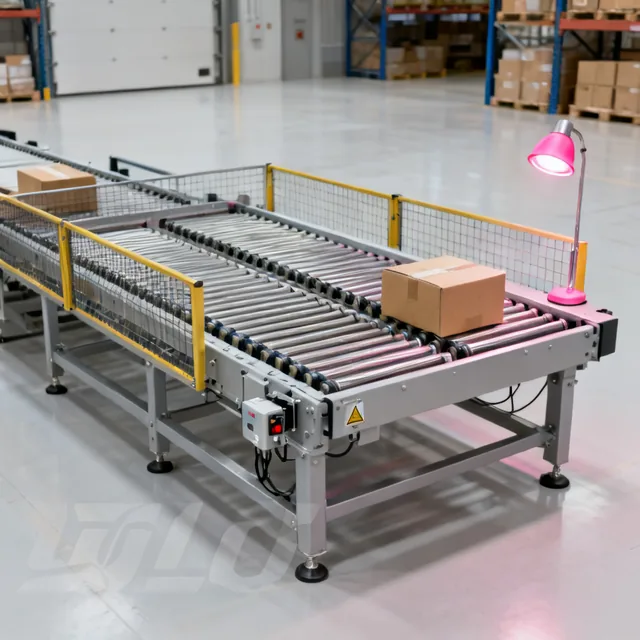
Accumulation conveyors
Buffer occupancy and release logic tied to downstream divert capacity.

Balance cross-belt and shoe sorter capacity with merge logic, buffer occupancy, WCS handshakes and exception recovery—so design rate stays tied to SKU mix and order profile, not a detached headline.

Each workstream turns an operational concern into inputs, interfaces and evidence that procurement, controls, maintenance and EHS teams can review together.
Product conversations connect physical divert hardware with merge timing, induction capacity, palletizing patterns and the control layer that must own each handshake.
Buffer occupancy and release logic tied to downstream divert capacity.

Divert accuracy assessed with induction rate, gap control and recirculation rules.

Lane assignment reviewed against SKU velocity bands and peak factor.
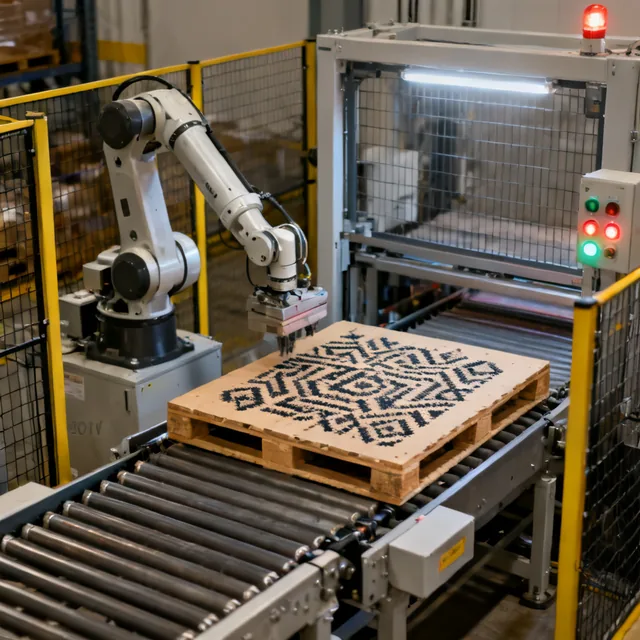
Pattern, layer stability and dock release timing kept in one acceptance story.
Cartons or order lines per hour stated with SKU mix, wave logic, replenishment and peak duration.
Scenario record →Command, confirmation, timeout, alarm and recovery states checked before sorter shipment.
Evidence path →End-to-end flow verified with installed geometry, live loads and agreed exception cases.
Acceptance path →Diagnostics access, critical spares and recovery procedures documented before handover.
Set the boundary →High SKU depth and compressed cutoffs put induction balance, recirculation and backlog recovery under scrutiny.
Store-order sequencing and mixed tote or case flows change merge timing and destination capacity assumptions.
Volatile day-of-week peaks require buffer occupancy models that survive delayed outbound doors.
Polybag and carton mix stress gap control, divert confirmation and chute occupancy rules.
Stable SKU sets still need palletizing pattern proof and dock release ownership written clearly.
Active production windows and staged release plans shape the feasible conveyor cutover sequence.

Share load units, order profiles, peak windows, interfaces and site constraints so concept review stays reproducible.