Omnichannel DC
High SKU depth and steep outbound waves reward flexible induction allocation, but recirculation queues and chute congestion must share the same peak factor model.
Scroll the warehouse verticals where sorter class, divert accuracy and interface ownership change together. Peak factor, buffer occupancy, design rate in cartons/hour and exception recovery stay linked to the same story.
High SKU depth and steep outbound waves reward flexible induction allocation, but recirculation queues and chute congestion must share the same peak factor model.
Store-wave cutoffs and temperature regimes change carton integrity, sensor performance and merge assumptions before rate numbers are compared across sorter types.
Volatile day peaks need buffer occupancy and destination door capacity written before cross-belt or shoe divert claims are accepted.
Polybag and carton mix stress gap control, divert confirmation and chute occupancy during promotional waves.
When palletizing cells share dock release windows, pattern stability and WCS ownership become part of the conveyor brief.
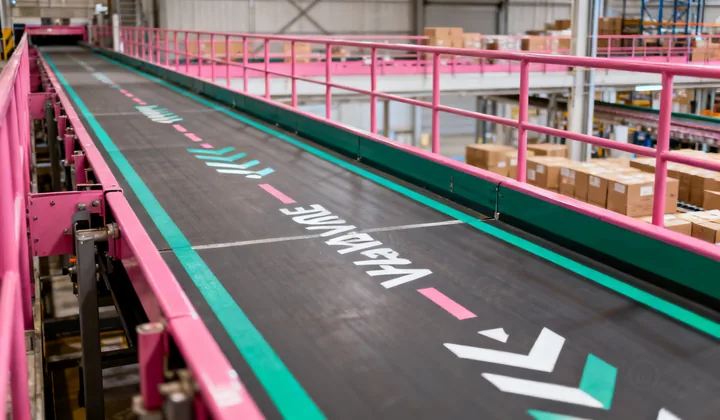
A DC replaced horsepower debates with divert accuracy at design induction rate, recirculation limits and staged chute entry during peak windows. Exception recovery time became a release gate, not a footnote.
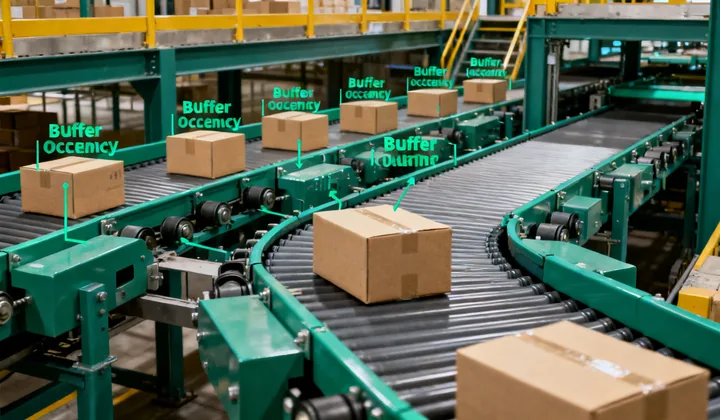
A parcel hub kept alternate recirculation paths for volatile destinations while densifying stable chutes. Buffer occupancy and graceful degradation were written before sorter drawings froze.
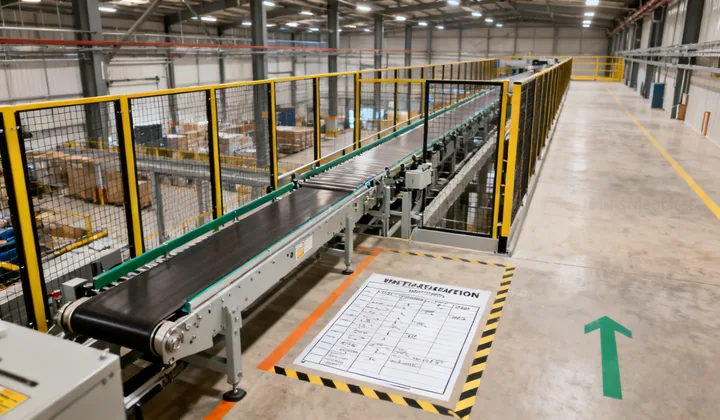
A staged cutover kept manual packing live while divert modules and WCS handshakes were proven. Rollback states and spare ownership closed SAT before full traffic merge.
Fixed automation versus flexible robotics is not settled by a homepage adjective. Deterministic sorter cells can deliver stable design rates when SKU and order profiles are steady; reconfigurable robot fleets can protect phasing when demand is volatile. Either path still needs buffer occupancy, divert accuracy and human traffic rules written beside the peak claim.
Centralized WCS versus modular controls changes how failures isolate during a jammed chute or lost confirmation. Peak rate versus operational resilience decides whether a warehouse survives scanner faults, carton quality failures or network downtime. Greenfield optimization versus brownfield phasing decides how many temporary routes and fallback states must exist before the first live shift. Vanderlande industry stories keep those trade-offs visible so capital decisions are not trapped by a single KPI.
Tell us SKU depth, peak factor, temperature, carton mix and exception patterns so industry recommendations stay tied to operating evidence.